
Evaluating LLM Applications: From Prompt Testing to Production Evals
As LLMs move from prototypes into production, the hard question is no longer “Can the model generate a response?” but “How do we know the response is good enough?” Traditional software is tested deterministically: given 2 + 2, the expected result is 4. LLM applications are different. The same prompt can produce different, equally valid […]
Handling Streaming LLM Responses in TypeScript Without Losing Your Sanity
The first time I wired an LLM API into a React app, I did what everyone does: I called the endpoint, waited for the full response, and rendered it. It worked. It also felt awful to use — users stared at a spinner for 5-10 seconds before anything showed up on screen. Streaming fixes the […]
AI-Powered Test Debugging and Root Cause Analysis with Playwright
Modern automation frameworks run thousands of UI and API tests daily. Execution speed has improved significantly, but failure investigation still eats up a disproportionate chunk of an automation engineer’s time. A failed test rarely tells the full story. A missing UI element on screen might actually trace back to a sluggish backend service, an infrastructure […]
AI-Powered Performance Testing with Feather Wand +JMeter
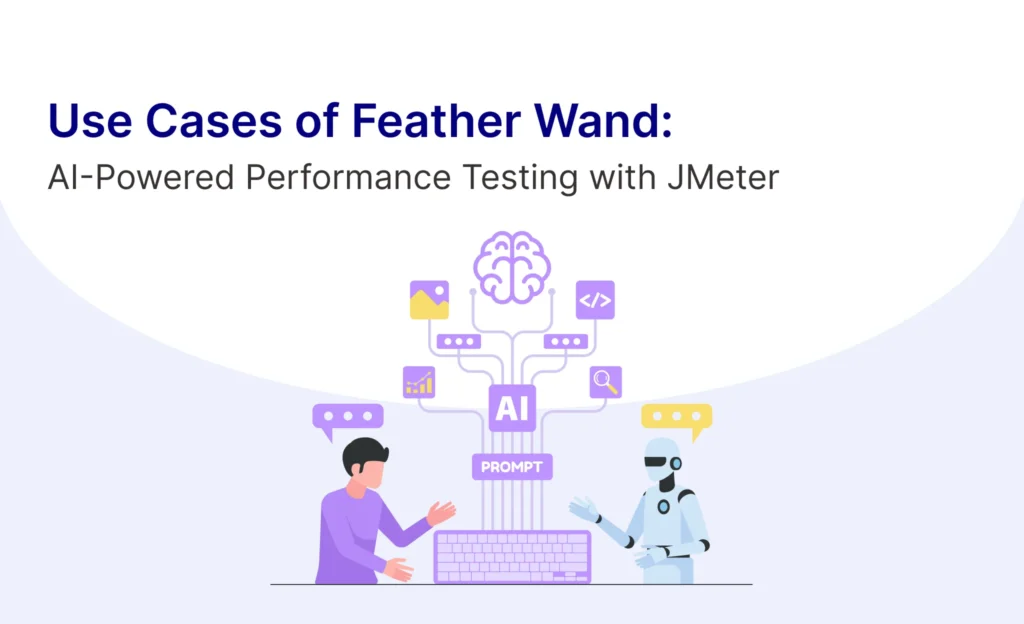
Feather Wand is a JMeter plugin by QA Insights that lets you interact with AI directly inside JMeter. You describe what you need — an HTTP sampler, a Groovy script, a load profile — and the AI builds it. It works with Anthropic Claude, OpenAI, Ollama (local), and DeepSeek. Important Note: In this POC, the tool […]
AI for Simplifying Exploratory Testing
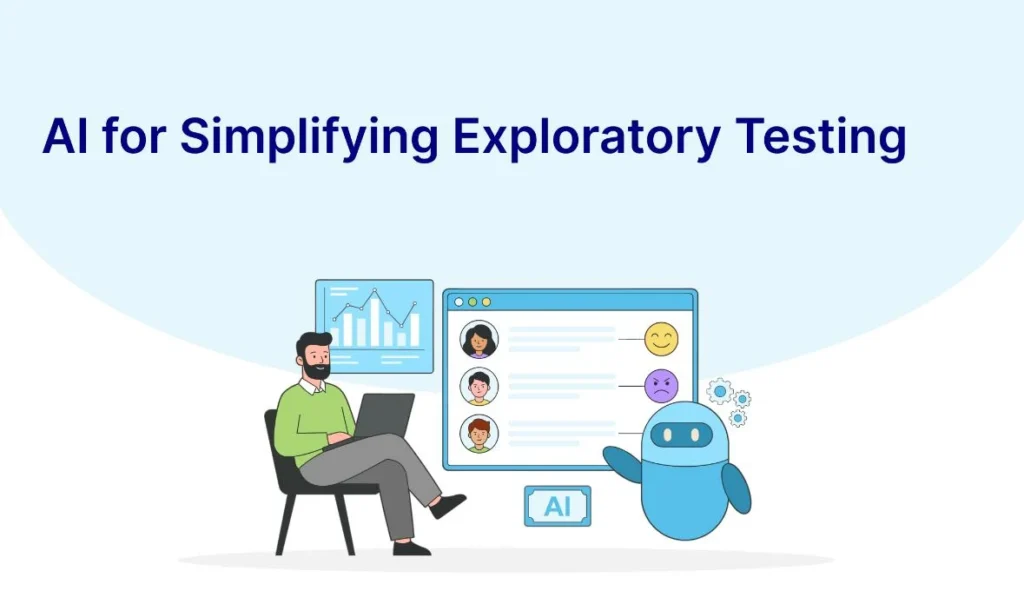
Exploratory testing has evolved beyond just being manual. It now exists as an engineering discipline with the assistance of artificial intelligence (AI). Applications today are far too complex in terms of how they operate – think about how distributed environments work, asynchronous APIs interact, cloud in how software and/or code gets shipped continuously into production. […]
7 Key UX Pattern Principles for Building AI-Powered Products
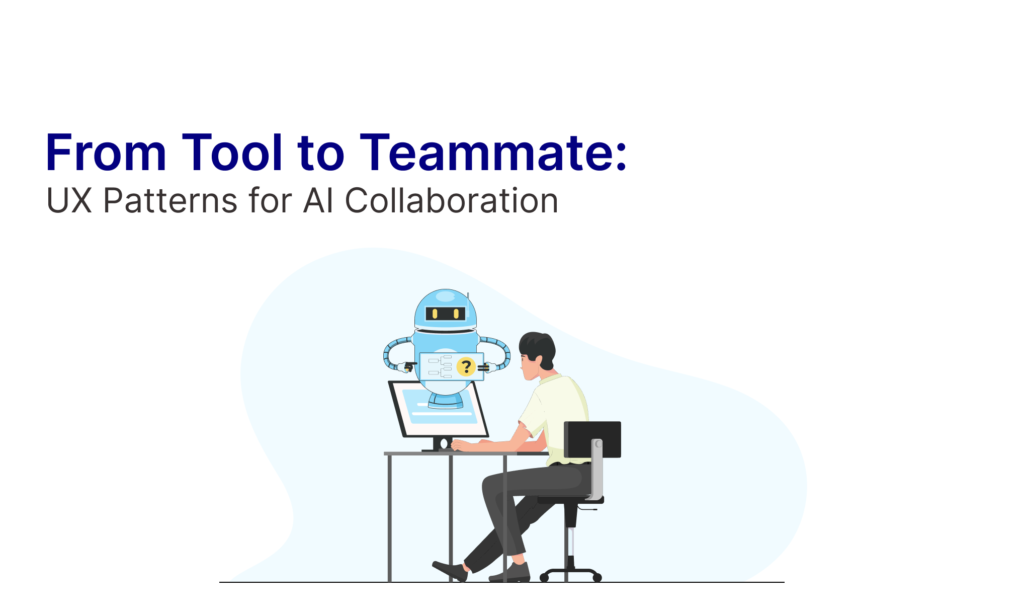
Introduction For decades, digital products were designed as tools for predictable systems that responded to clear user inputs. You click, type, and select, and the system will execute. AI revolutionizes that relationship. These days, products are no longer just responding, but they’re actively participating. Be it writing, searching, designing, or planning, AI is starting to behave less like a passive interface and […]
How to Handle Authentication Efficiently in Playwright Automation
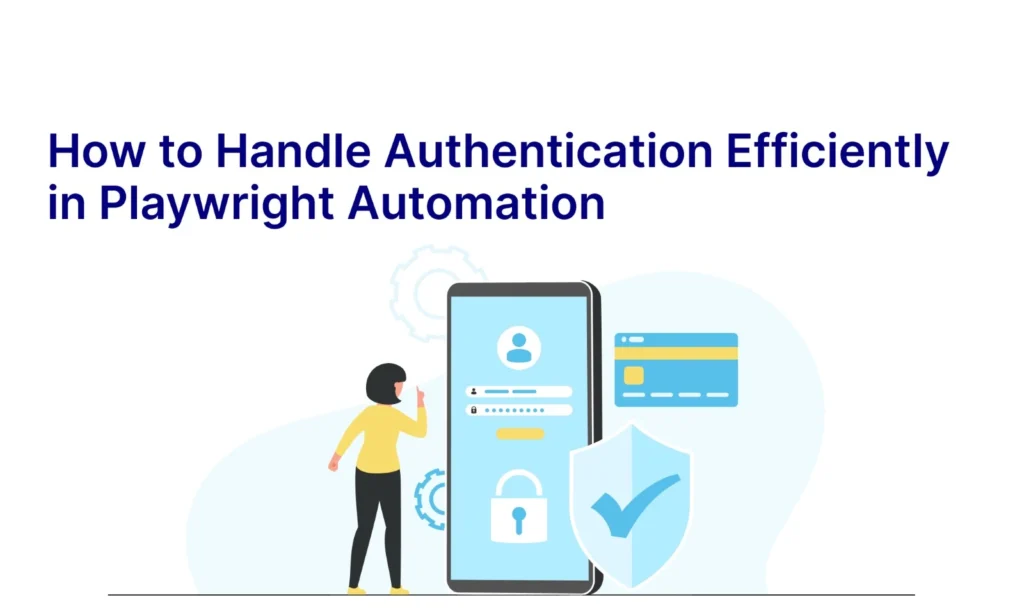
For modern web automation frameworks, authentication is one of the most common and repetitive activities performed during test execution. Most automation scripts begin with entering a username, password, clicking the login button, and waiting for successful navigation. While this approach works effectively, repeatedly executing the login flow in every test increases execution time and introduces unnecessary dependency on […]
Leveraging Generative AI to Automate Business Workflows
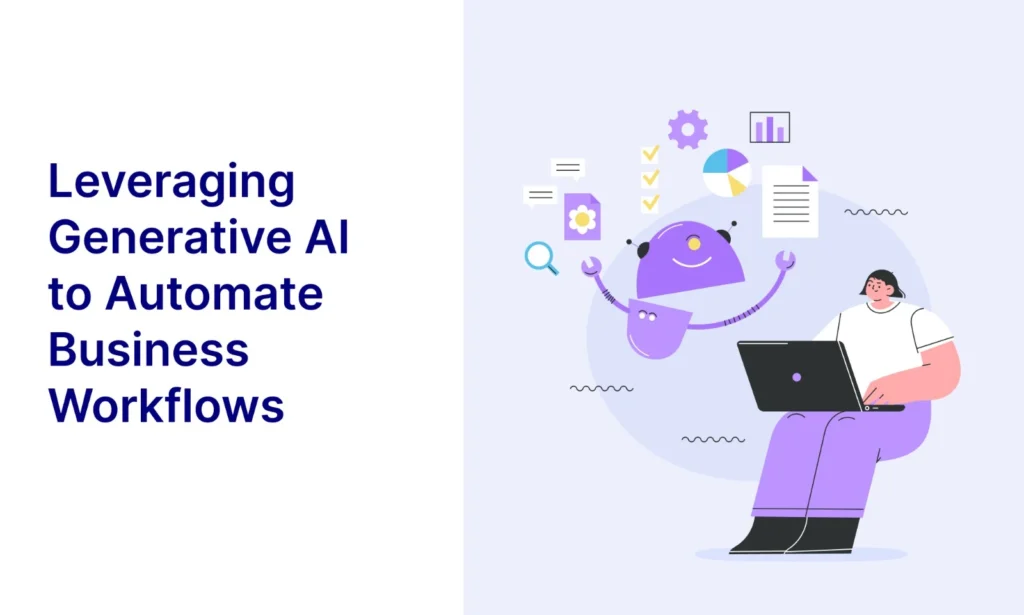
In today’s fast-paced business environment, organizations are constantly seeking ways to improve efficiency, reduce manual effort, and enhance decision-making. One of the most transformative technologies enabling this shift is Generative Artificial Intelligence (Generative AI). Generative AI refers to systems capable of generating text, content, and insights based on input data. Tools such as AI assistants […]
Cross-Zone AWS Load Balancing | Overview, Real-World Architectures, And Benefits
One of the main marketing points of cloud architecture is how highly available it is and can handle faults and unpredictable traffic spikes. In AWS, load balancing plays a critical role in achieving this. From a simple web application to a globally distributed microservices platform, AWS Elastic Load Balancing (ELB) helps distribute incoming traffic efficiently across multiple targets. […]
Amazon RDS: A Beginner-Friendly Guide to AWS Relational Database Service
What is Amazon RDS? Every app needs a database to store data like user accounts, orders, or messages. Setting one up on your own means installing software, applying updates, taking backups, and preventing downtime. Amazon RDS (Relational Database Service) handles all of this for you. You pick a database engine and a size, and AWS […]
Reducing Technical Debt through Gen AI
In the fast-paced world of software development, technical debt can hinder progress and lead to costly rework. However, the emergence of Gen AI presents a transformative opportunity to tackle these challenges head-on. Imagine automated code reviews that enhance quality, tools that keep your libraries up to date, and AI-generated documentation that simplifies understanding. By integrating these innovative solutions into your workflow, you can significantly reduce technical debt and foster a culture of quality and stability. Discover how embracing Gen AI can revolutionize your coding practices and ensure long-term success in your software projects.
Managing Stakeholders during Application Modernization
In the realm of application modernization, managing stakeholder expectations is crucial for project success. Stakeholders, from business owners to end users, have diverse interests that must be aligned to drive the initiative forward. This blog post explores effective strategies for engaging stakeholders, mitigating risks, and enhancing communication throughout the modernization process. By clearly defining objectives, involving stakeholders early, and providing necessary training, project managers can foster collaboration and satisfaction. Discover how to navigate the complexities of stakeholder management and ensure a smooth transition to modernized applications that deliver real value. Read on to unlock actionable insights!